Annuities vs Single Sum Investments
Compare these different type of investments
FINANCEMS2MA
2 min read


If you’ve ever wondered why putting in regular payments can sometimes beat investing one big lump sum, even when the interest rate is the same, this one’s for you. Let’s break down the two big players in financial maths.
Single Sum Investment
This is the classic one-off deposit. You put in a chunk of money now, it earns compound interest and you walk away with a bigger chunk later.
EXAMPLE: You invest $5000 today at 6% pa compound interest for 3 years. Using the compound interest formula:
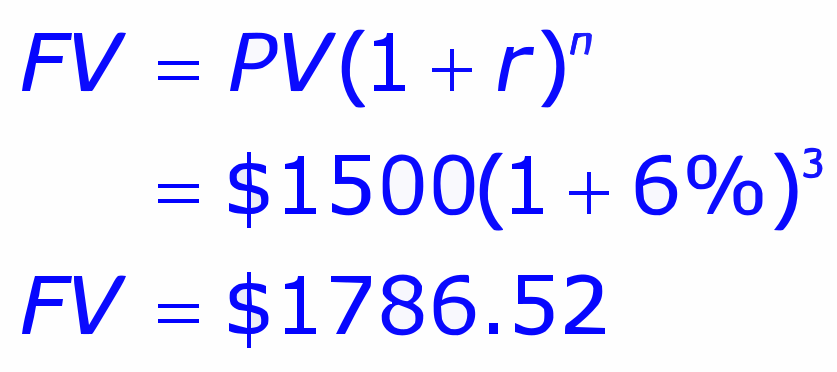
You did nothing after the initial deposit and the investment earned $286.52 in interest.
Annuities
An annuity is just a fancy word for equal payments made at regular intervals, like depositing money every month or year.
Each payments earns interest, but there's a catch.
Earlier payments earn interest for MORE time. Later payments earn interest for LESS time.
EXAMPLE: You invest $500 at the start of each year in an account that pays 6% pa compound interest. Using a table to track the investment
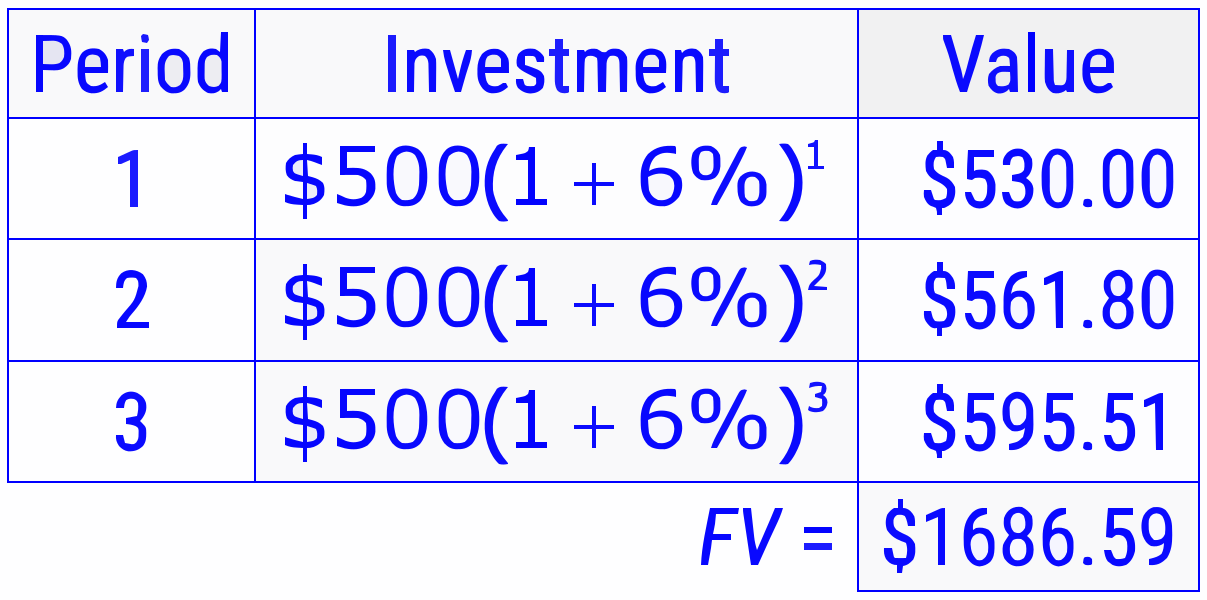
Same interest rate. Same total time. Same total investment. But the result is less that the single lump sum.
Money grows because it has time to compound. The entire lump sum grows for a full three years. But with the annuity, the separate payments grow for different periods of time. So an average, each payment earns interest for far fewer years.
Which one is better?
It depends.
Single sum is better if you already have the lump sum
Annuity is better if you don't and need to build your investment slowly over time.
Most people use annuities without realising it. Superannuation and savings plans are types of annuities. Even paying off a loan work the same way but in reverse.